
Supply Chain Management
-
A Full-fuzzy Economic Order Quantity Model with Deterioration, Inflation, and Shortage using ϵ-spread Method 82-101
 S. Ganesan
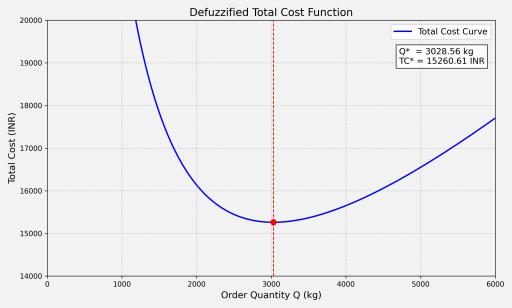
This paper develops a comprehensive fuzzy economic order quantity (EOQ) model that incorporates deterioration, inflation, and shortage under a full-fuzzy decision-making environment. Unlike classical EOQ formulations that rely on precise parameter values, the proposed approach represents all...
-
Development of Unified, Digital, and Local Terms for “Supply Chain Management” 21-40
Alexey Petrovich Tyapukhin
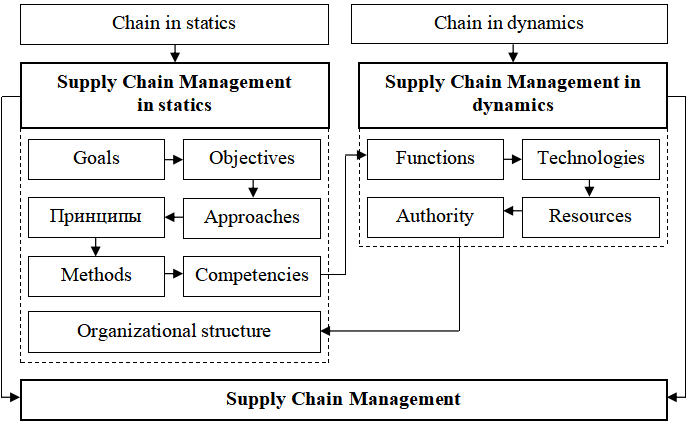
To gain additional competitive advantages in the digital economy, supply chain links need to continuously improve management theory and methodology based on the development and implementation of decisions characterized by minimal loss of profits. This problem can be eliminated through the...
-
Enhancing Supply Chain Management Using Machine Learning Techniques: A Comprehensive Review, Gap Analysis, and Strategic Framework 1-20
Attia Hussien Gomaa
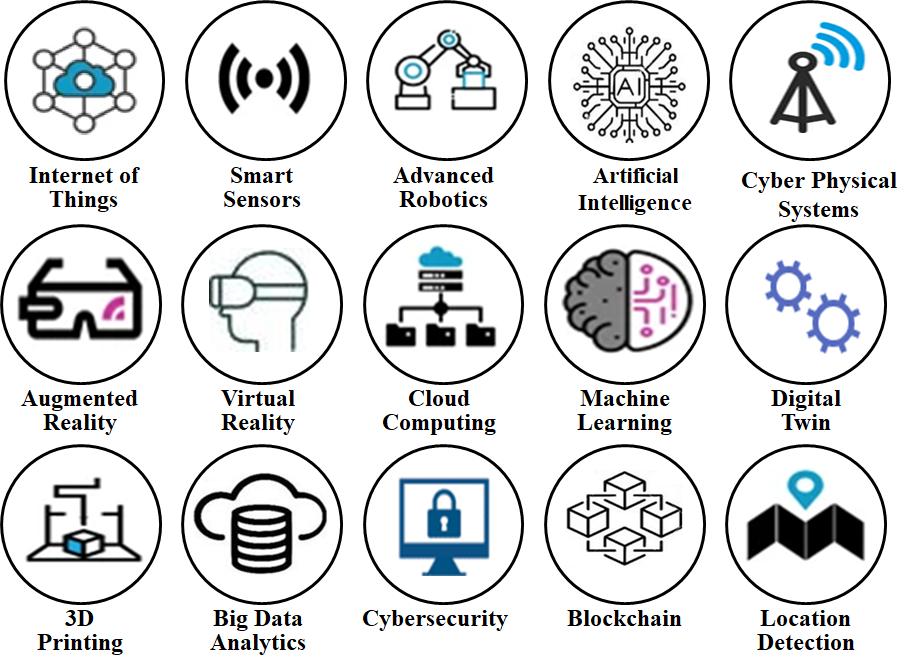
In the Industry 4.0 era, Supply Chain Management (SCM) is being transformed by digitalization and advanced analytics, with Machine Learning (ML) emerging as a pivotal driver of efficiency, resilience, and intelligent decision-making. This study reviews ML applications across major SCM domains,...
-
Supply Chain Risk Management for Sustainable and Resilient Operations:A Comprehensive Review and Strategic Framework in the Era of Industry 4.0-5.0 1-23
Attia Hussien Gomaa
Global supply chains face increasingly complex, interdependent, and dynamic risks driven by sustainability pressures, climate change, geopolitical uncertainties, technological disruptions, and market volatility. Traditional risk management approaches—often reactive, fragmented, and siloed—are...