
Current Issue
Vol. 2 No. 1 (2026): In Progress

Aims & Scope
The journal Climate-Adaptive Materials Engineering is dedicated to advancing the design, development, and application of materials that respond dynamically to changing climatic conditions. By integrating principles from materials science, engineering, environmental science, and computational modeling, the journal aims to foster innovation in materials that enhance resilience, sustainability, and performance in the face of climate variability and extremes. The journal emphasizes interdisciplinary research that addresses the intersection of material behavior and climate adaptation, with a focus on practical solutions for sustainable infrastructure, energy efficiency, and environmental protection.
ISSN: 2978-8498(Online)
Frequency: Semi-annual(May,November)
Research Article
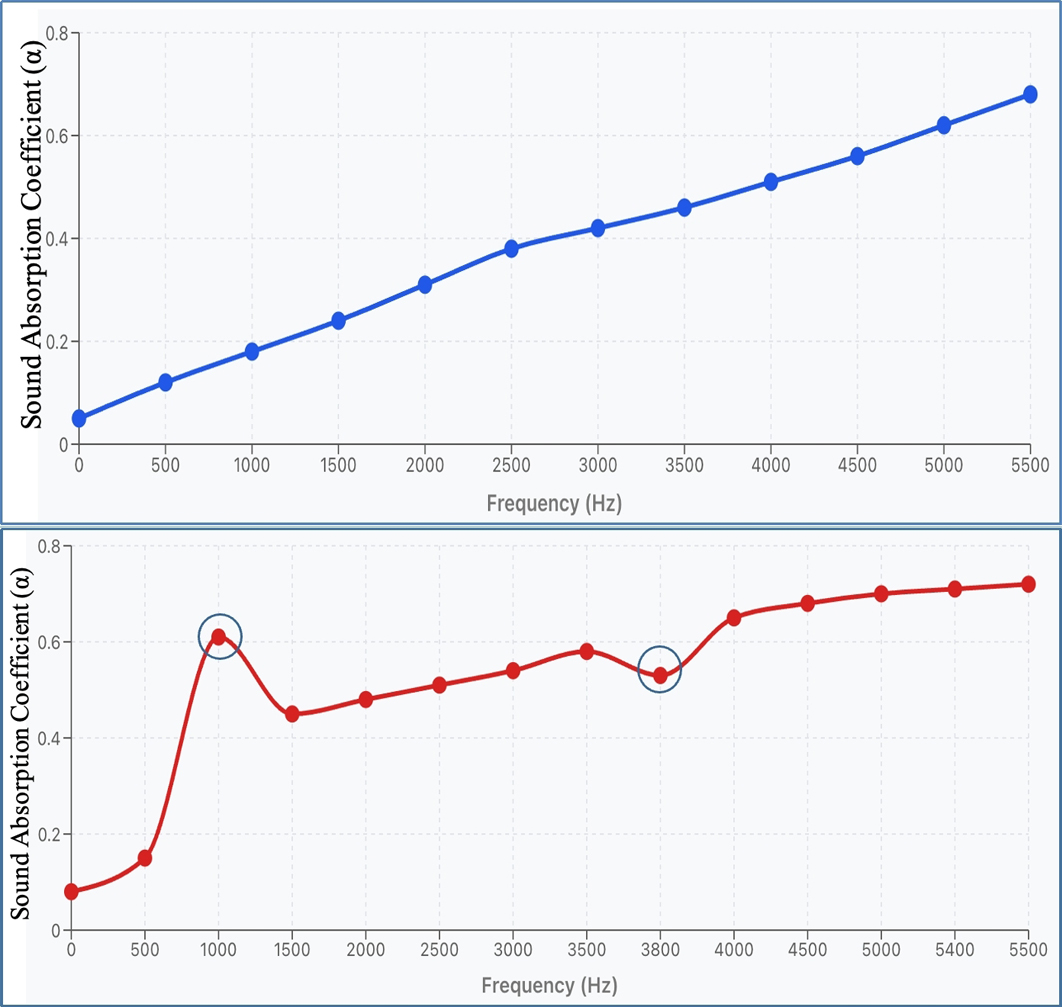
Wheat Straw Fibrous Material Reinforced Green Composite Materials Via Ficus vasta and Abyssinica Glue Bio-Resin for Acoustic Application 1-12
 Alhayat Getu TEMESGEN*, Omprakash Sahu
Noise, defined as unwanted or disturbing sound that interferes with normal hearing or environmental comfort, is increasingly recognized as a critical environmental stressor in densely populated urban areas, highlighting the need for sustainable materials for acoustic attenuation. This study...
Research Article
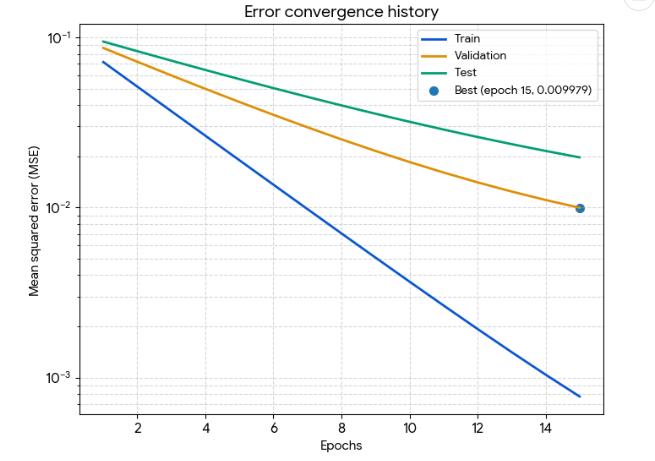
Artificial Intelligence-Based Prediction of Thermo-Elastic Behavior in Inconel 718 / Ti-6Al-4V Rotating Disks 13-23
Hüseyin Fırat KAYIRAN
This study presents a comprehensive numerical investigation of the thermo-elastic behavior of an Inconel 718 / Ti-6Al-4V bimetal rotating disk subjected to non-uniform thermal fields. The analysis focuses on the evaluation of radial and circumferential stress distributions as well as radial...